
Why I Created the Good-Looking, Client-Booking Website™
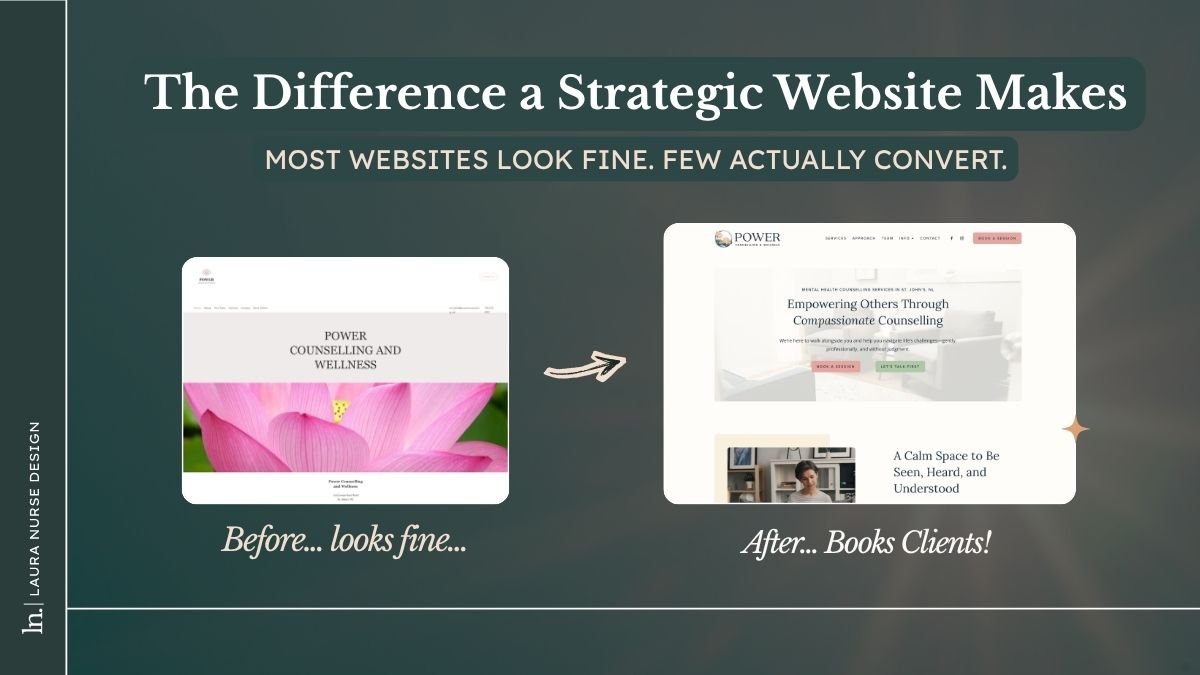
A surprising number of service business websites look perfectly fine… and still quietly lose clients every week.
The photos are nice.
The layout is clean.
There’s even a logo everyone feels pretty good about.
And yet the site isn’t really doing anything for the business.
Let me guess…
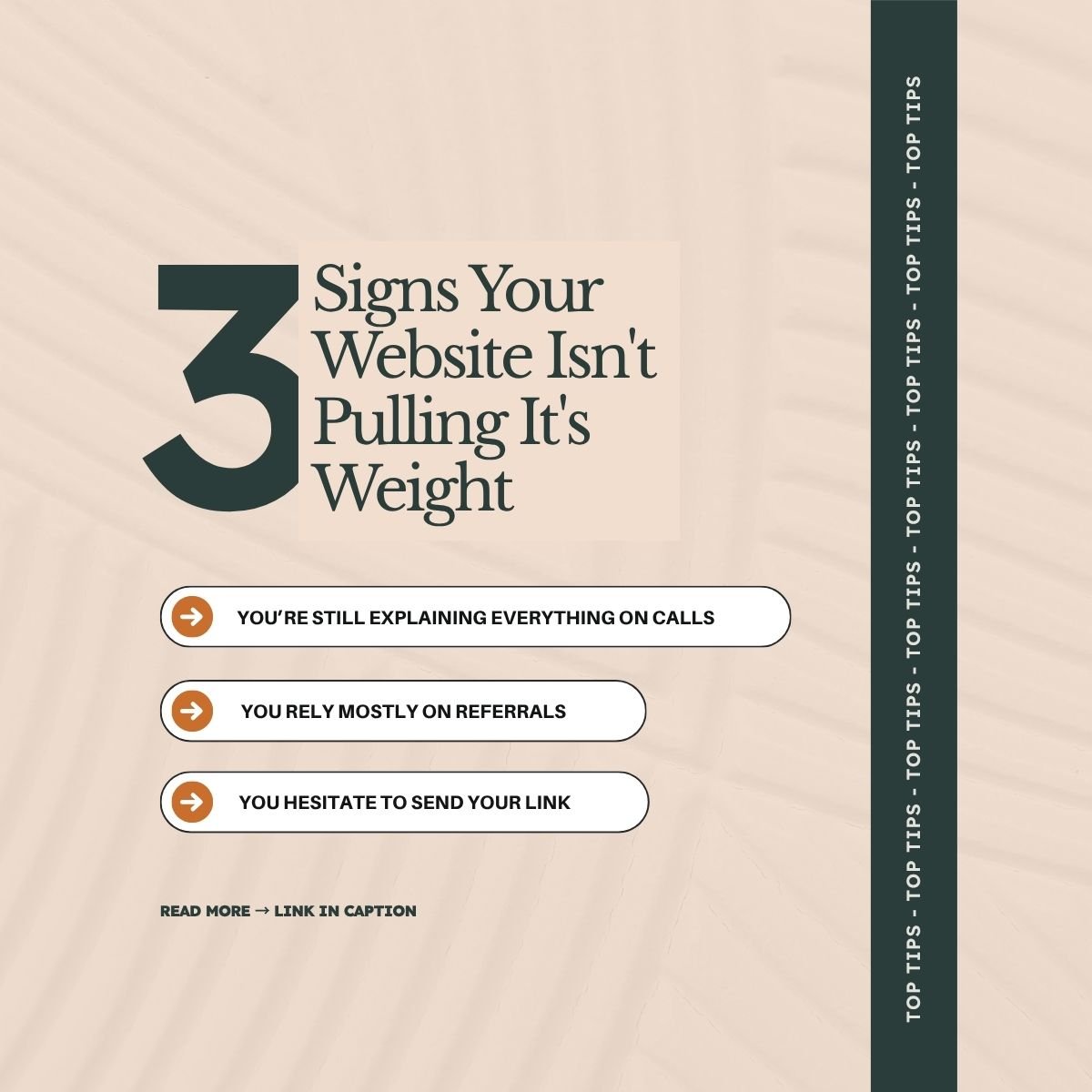
Your business is still relying on word of mouth and networking as the primary sales engine.
You still end up explaining your services from scratch on sales calls.
You’re answering the same questions over and over that your website should have answered already.
You hesitate slightly before sending someone your link because you know the site doesn’t quite reflect who you are or the level of work you do.
If that sounds familiar, you’re exactly the kind of business owner I had in mind when I created the Good-Looking, Client-Booking Website™.
Because this problem shows up everywhere once you start paying attention.
Table of Contents
The pattern I kept seeing with service businesses
Most of the business owners I work with aren’t brand new.
They’re a few years in. They’ve helped real clients, built momentum, and proven their service works.
In other words, this is a real business.
But their website hasn’t kept up.
Sometimes it’s the DIY site they threw together when they first got started.
Sometimes it’s something a friend helped them set up quickly.
Sometimes the business has evolved so much that the site no longer reflects what they actually do.
So the website sits there… technically existing… but not really helping.
And that’s the frustrating part.
The business itself is solid.
The problem isn’t the work they do.
It’s that their website isn’t doing the job it needs to do.
The job a service business website actually has
A lot of websites are built like digital brochures.
They look nice.
They describe the business.
But they don’t guide a visitor toward taking action.
For a service business, the real job of a website is much simpler and much more important.
It needs to help a potential client quickly answer a few questions:
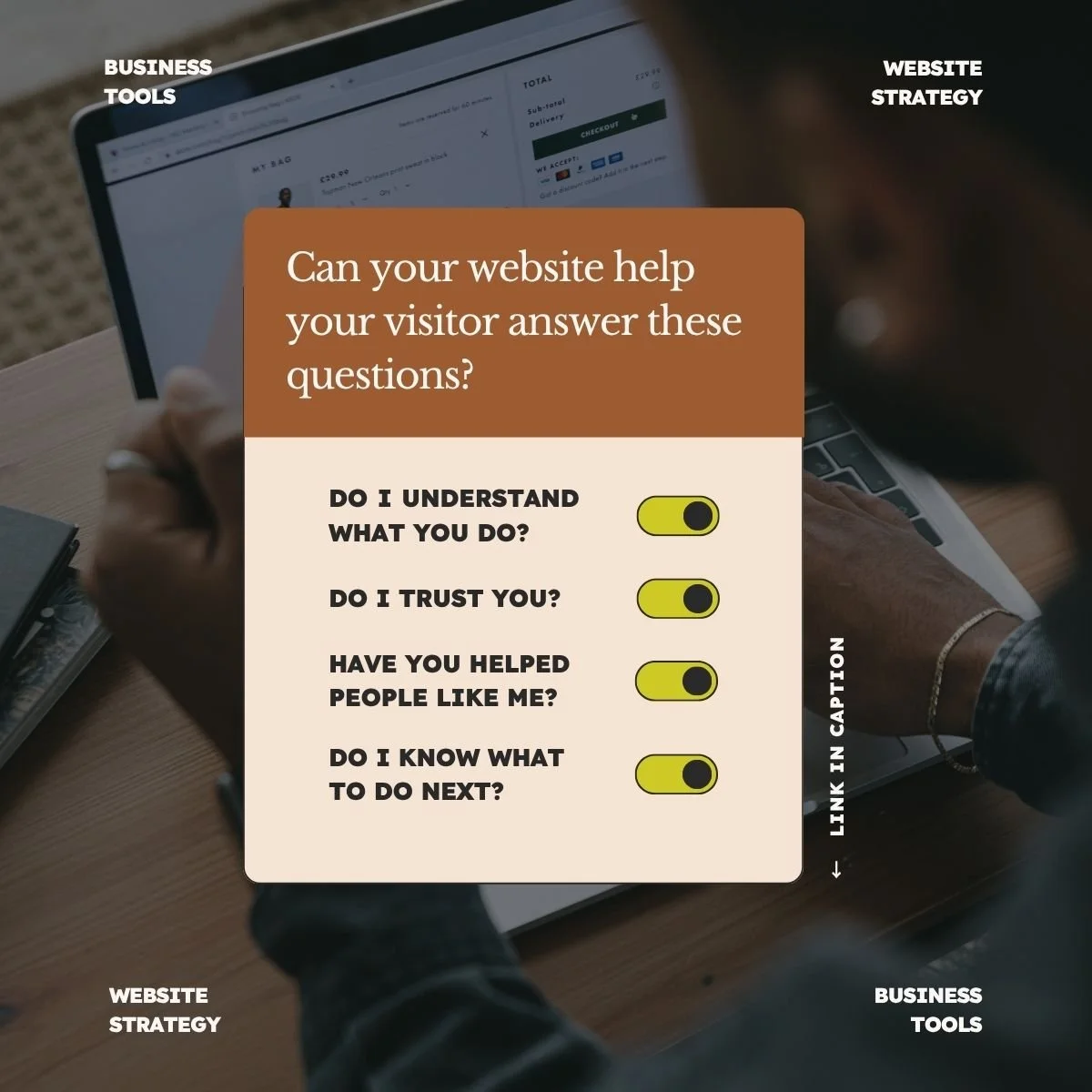
Do I understand what this person does?
Do they seem credible?
Have they helped people like me before?
Do I feel confident reaching out?
If the website answers those questions clearly, people move forward.
If it doesn’t, they quietly click away and hire someone else.
You never see the inquiry.
You never get the call.
You never even know they were there.
That’s the hidden cost of a website that looks fine but isn’t built strategically.
Why this problem matters to me personally
Let me start this section with a small confession.
I didn’t become a web designer because I had a lifelong dream of kerning fonts and debating shades of beige.
I became a web designer because at one point… I didn’t have another option.
Before this chapter, I was running a naturopathic clinic. I loved the work, but like most service providers, I was also responsible for everything else that comes with running a business — including getting clients in the door.
And that meant explaining my work. A lot.
What I did.
Who it was for.
How the process worked.
Over and over again.
Looking back, a huge portion of that effort should have been happening on my website.
But at the time, there wasn’t a clear path to make that happen.
You could hire a developer; expensive, technical, and often disconnected from how a service business actually sells.
You could use a DIY template; easier, but it still left you figuring out strategy, structure, and messaging on your own.
So like a lot of business owners, I figured it out myself.
I learned design.
I learned marketing.
I built (and rebuilt) my own site until it started doing what I actually needed it to do: help the right people understand my work, trust it, and feel ready to take the next step.
And that experience shaped how I think about websites now.
Because here’s the part that often gets misunderstood:
A website isn’t there to replace sales and marketing activities.
It’s there to support it.
It should do the heavy lifting before someone gets on a call with you: answering the obvious questions, building trust, and helping the right people self-select in.
So when you do show up to a conversation, you’re not starting from scratch.
You’re picking up where the website left off.
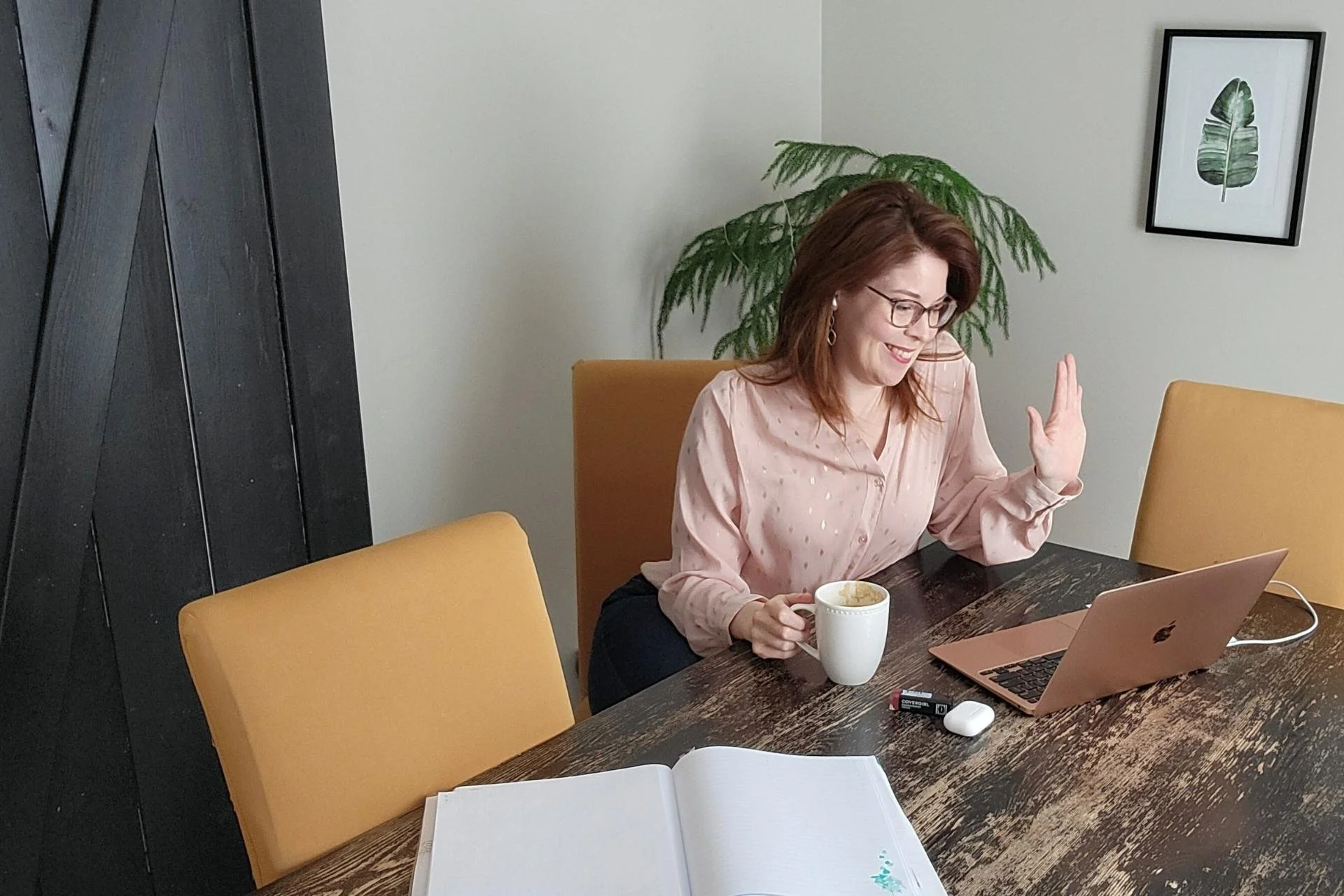
Me working with clients on video calls.
That’s the gap I kept seeing… AND the one I built this offer to solve.
I created this for myself.
And now, I use it to help service-based businesses at this stage — the ones doing solid work, getting real clients, and ready for a website that actually supports how they sell.
The moment I realized strategy changes everything
Early in my web design work, I started auditing and redesigning websites that technically looked good but weren’t performing.
Nice design.
Nice photos.
Still not generating inquiries..
Once we clarified the messaging, reorganized the pages, added trust signals, and made the calls to action obvious, something interesting happened.
The number of inquiries improved!
But even more importantly, the quality of inquiries changed.
People arrived on calls already understanding the service.
They trusted the process.
They were ready to move forward.
After the launch, we also started paying attention to the data — how visitors moved through the site, where they clicked, and what was actually leading to inquiries.
That’s where things get interesting.
Because a website isn’t just a one-time design project.
When you monitor what’s happening and refine things over time, the results compound.
This is one of the reasons many clients continue working with me after their website launches. The goal isn’t just to publish a website and walk away.
The goal is to build something that keeps getting better at attracting the right clients.
My perspective on websites is a little different
Admittedly, my background is a bit unusual for a web designer.
I didn’t come into this through traditional design training.
I came into it through healthcare, business strategy, and years of building websites because I needed them.
That experience shapes how I approach every project.
Of course we need to understand the ideal client the business is trying to attract.
But I’m also deeply interested in the business owner themselves.
Why do they do this work?
What kind of impact are they trying to have?
Who are they hoping to help?
Because the strongest websites don’t just explain a service.
They reflect the real human behind the business and the people they care about helping.
When those two perspectives come together — the client’s needs and the business owner’s mission — the website becomes much more powerful.
What the Good-Looking, Client-Booking Website™ actually is
The name is a little cheeky, but the idea is simple.
Your website should absolutely look good.
But it should also function as a real marketing and sales asset for the business.
Not sit online like a very pretty business card collecting pixel dust.
The Good-Looking, Client-Booking Website™ combines three main elements:
Strategic website planning
Before any design begins, we clarify the structure of the site, the messaging it needs to communicate, and how visitors will move through it.Clear, trust-building messaging
The website answers the real questions potential clients already have in their heads.Professional design
A polished, modern website that reflects the quality of your work and builds credibility. (Most sites are built on Squarespace so clients can manage updates easily without needing a developer.)
The result is a website that helps the right people understand what you do, trust your expertise, and take the next step.
Which is what a service business website should have been doing all along.
The website is just one part of the bigger system
A website doesn’t exist in isolation.
It’s one part of a larger system that helps businesses attract and convert the right clients online.
In the framework I use with clients, the website sits alongside branding, content, and traffic as the core pieces of a working online presence.
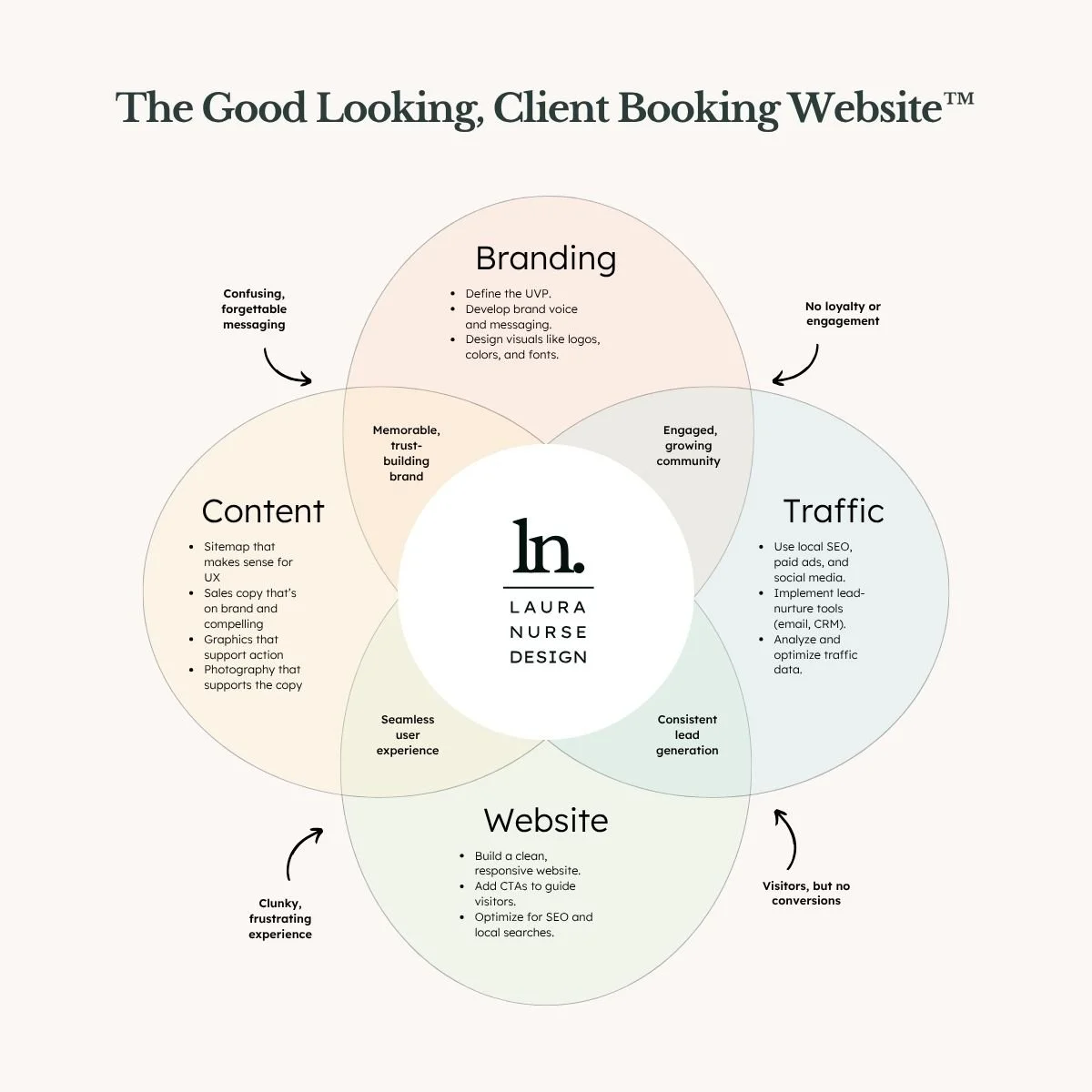
A bird’s eye view of the ingredients that go into a successful website
Depending on the business, we may also work on:
• Branding (either a quick brand polish or full branding project)
• Copywriting support (either through my AI-assisted first drafts of your web pages or a specialist partner)
• Traffic and visibility strategies (like local SEO or content marketing)
The website becomes the central hub of that ecosystem — the place where interested visitors can understand the business and decide whether to reach out.
What clients often say after launching
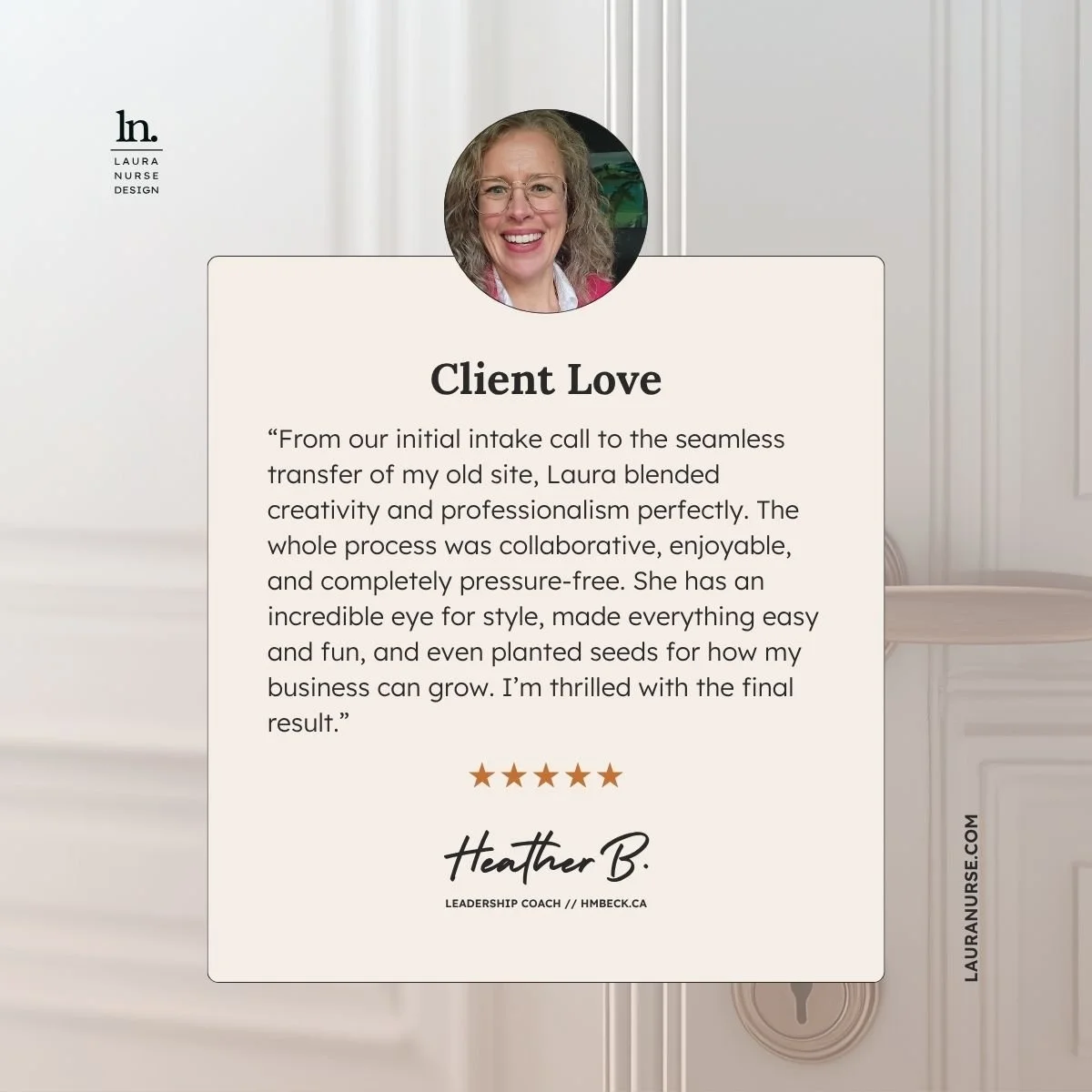
One of the most common things I hear from clients after launching their website is that the entire process felt easier than they expected.
Many people come into a website project feeling overwhelmed.
One client told me she was “a little intimidated and terrified of the whole process,” but that the step-by-step structure helped her feel confident and supported the entire way through.
Another described the experience as “nothing short of amazing.”
Clients also frequently mention how collaborative the process feels:
“Laura is personable, professional, accessible and efficient.”
“Her process was collaborative and enjoyable, and the final product was something I’m thrilled with.”
But the comment that means the most to me is when someone says their website finally feels like it reflects the quality of their work.
Because that’s really the goal.
The future of websites (and why this matters even more now)
AI tools are making it easier than ever to create a website quickly.
Which is great.
But it also means the internet being flooded with low-effort marketing content (“AI slop”).
What will stand out in that environment is more boring corporate content.
It’s clarity, credibility, and real human perspective.
The businesses that win online will be the ones that clearly show:
Who they help.
What they do.
Why it matters.
And what someone should do next.
The businesses that win online will be the ones that actually sound like there’s a thoughtful human behind them.
Real businesses.
Real expertise.
Real people helping real clients.
And…
That’s the kind of website I want to help you build.
If your website isn’t helping your business grow
If your website feels like something you have to quietly apologize for before sharing… or you just avoid sending people to it altogether… you’re not alone.
It happens to a lot of growing service businesses.
But it’s also fixable.
If you want an outside perspective on whether your website is helping your business or quietly getting in the way, the next step is simple.
You can book a free 15-minute Website Discussion Call.
We’ll take a quick look at what’s happening in your business, how your website fits into the picture, and what might make the biggest difference moving forward.
Sometimes the answer is a website project.
Sometimes it’s a smaller strategic fix.
Either way, you’ll leave the call with a clearer understanding of what your next step should be.
